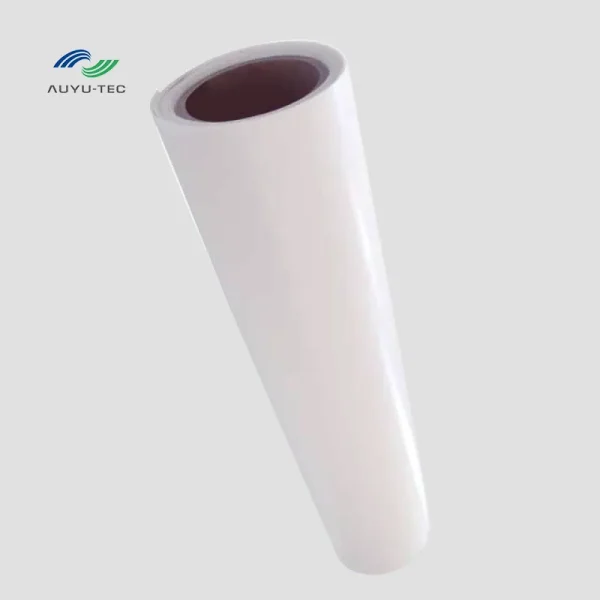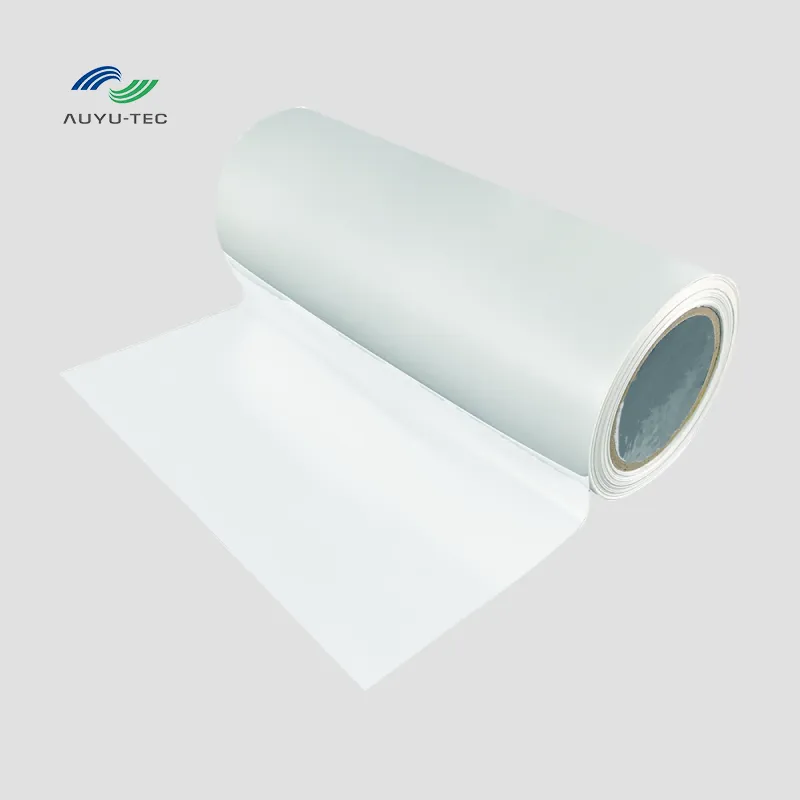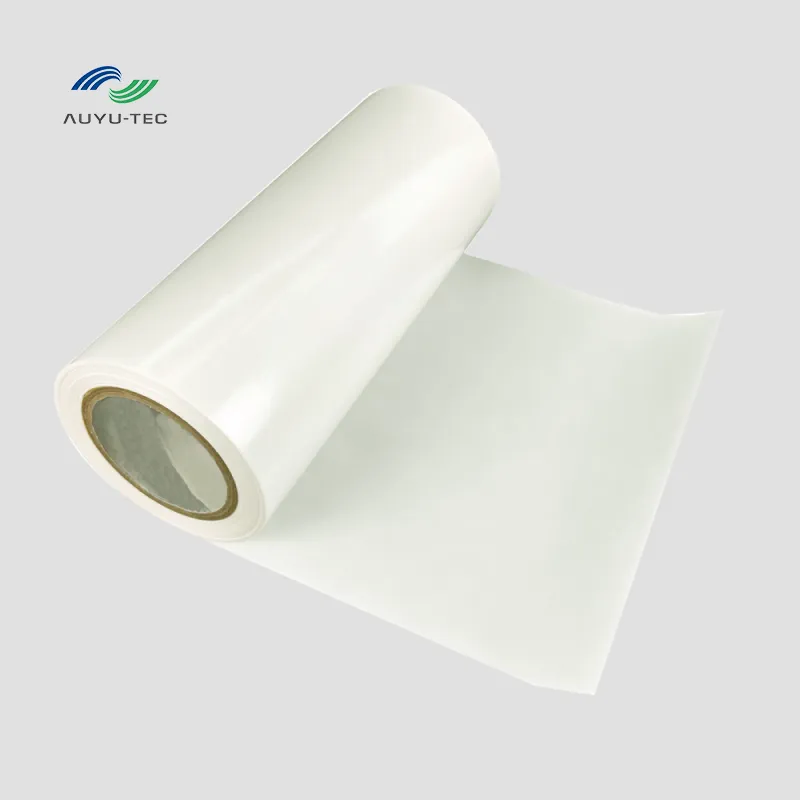

Introduction: Selecting PET film with precise dimensions, chemical stability, and up to 18 months shelf life ensures consistent quality and efficiency in high-volume DTF textile printing.
Every production line faces moments where inefficiencies in workflow subtly erode productivity, especially in high-volume textile printing. Operators juggling inconsistent film dimensions, unpredictable chemical interactions, or gradual material deformation often experience delays and increased waste. These challenges point toward the crucial role of selecting the appropriate PET film in Direct-to-Film (DTF) printing environments. A reliable pet film supplier and dtf transfer film supplier not only fill the gaps within routine operations but also enhance precision and consistency, vital for large-scale textile production where quality and speed must align seamlessly.
PET Film Dimensions and Finish Options Impacting DTF Transfer Precision
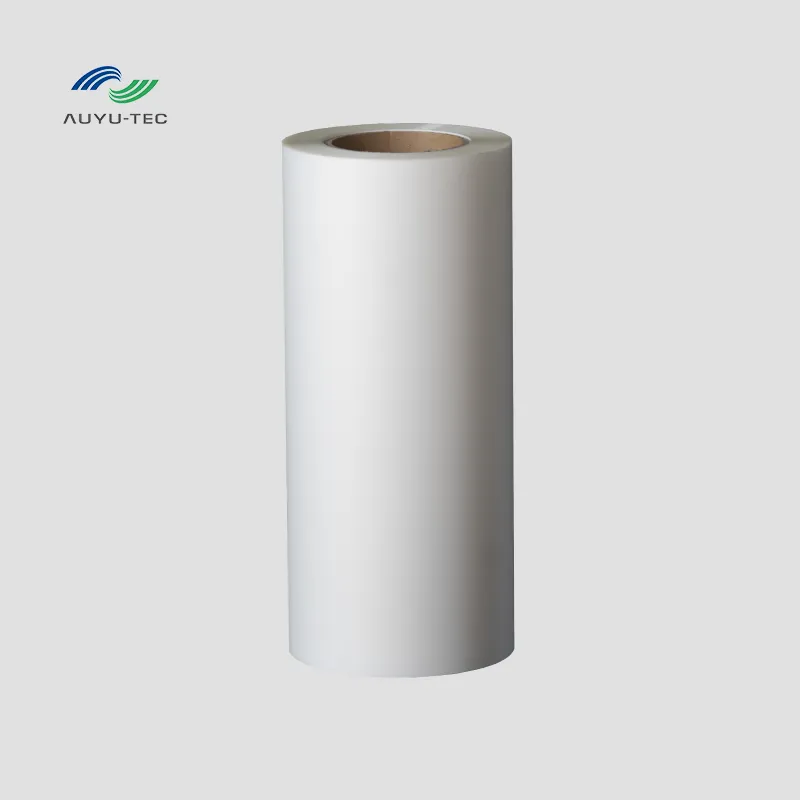
In textile applications requiring Direct-to-Film transfer, the exact dimensions and surface finish of PET film have a considerable impact on the final output. Industrial printers dealing with wide rolls or different sheet sizes find that sheet straightness and thickness uniformity directly influence print registration accuracy. A pet film supplier offering varied widths such as 30cm or 60cm and sheet sizes like A3 or A4 empowers manufacturers to tailor material use to specific machine configurations, minimizing waste and handling complexity. Moreover, finish options—whether single- or double-sided matte—play a critical role in reducing surface static, thereby preventing unwanted debris or film shifting during the printing process. This sensitivity to dimensional precision supports highly detailed print designs typical in high-volume textile projects. Collaborating with a dtf transfer film supplier that emphasizes such technical refinements ensures smooth transitions between printing stages, supporting enhanced repeatability, which is indispensable when meeting demanding production deadlines or consistent batch quality.
Chemical Composition Benefits of PET Film in Industrial Printing
The chemical formulation of PET film is fundamental to both its compatibility with heat transfer adhesives and its mechanical durability in demanding print cycles. Predominantly composed of polyethylene terephthalate, with polymers like polyurethane, polysiloxane, and polyvinyl alcohol integrated alongside silica additives, the film attains a balance between flexibility and robustness. This composition allows for optimal adhesion properties with hot melt adhesive powders commonly used in DTF printing. By maintaining stable bonding characteristics during the heat-press and curing phases, the film prevents common issues such as dye migration or adhesive smudging, preserving textile print clarity and longevity. A pet film supplier mindful of these chemical interactions can affirm consistent film quality across production batches, while a dtf transfer film supplier with precise formulation standards mitigates risks associated with premature film degradation or static buildup. This chemical harmony ensures that industrial printing processes run without interruption and that the resulting transfers retain their intended vibrancy and durability, crucial qualities for brand-sensitive textile applications.
Long-Term Durability and Dimensional Stability in DTF Transfer Film
Durability and dimensional stability over time underpin the sustained performance of PET film in high-volume Direct-to-Film transfers, especially those involving repeated storage and handling cycles. Films offering an extended shelf life, typically around 18 months under controlled temperature and humidity conditions, allow manufacturers to plan and scale production with confidence, knowing print quality will remain consistent. The dimensional stability of PET film reduces the risk of curling, twisting, or deformation through printing, coating, and heat transfer stages, facilitating automated processing lines that rely on predictable material behavior. Selecting a pet film supplier offering robust storage guidelines alongside durable formulations alleviates stresses on inventory management and reduces waste due to film rejection. Likewise, a dtf transfer film supplier that supports international quality standards ensures compatibility with diverse textile manufacturing systems, enhancing cross-industry adaptability. Such reliability is particularly appreciated when managing complex production schedules or large textile orders that demand uninterrupted operations without compromising fabric aesthetics or structural integrity.
Maintaining a steady workflow in textile printing relies heavily on a dependable pet film supplier and dtf transfer film supplier who understand the practicalities of such environments. Attention to film dimensions, chemical makeup, and stability fosters confidence in print accuracy, adhesion quality, and storage longevity. As high-volume textile producers look ahead, integrating materials recognized for their design compatibility and consistent performance becomes integral to meeting evolving industry standards and operational demands with calibrated ease and lasting comfort.
References
- PET Film – dtf supplier hot melt adhesive manufacturers – PET film for DTF printing with precise dimensions and chemical stability.
- Hot melt adhesive film – Hot melt adhesive films suitable for various applications.
- TPU Powder – TPU powder for bonding materials in textile and interlining.
- COPES hot melt adhesive powder – COPES powder for adhesive applications.
- About Aoyu – Leading Hot Melt Adhesive & TPU Film Manufacturer – Company overview and product offerings.