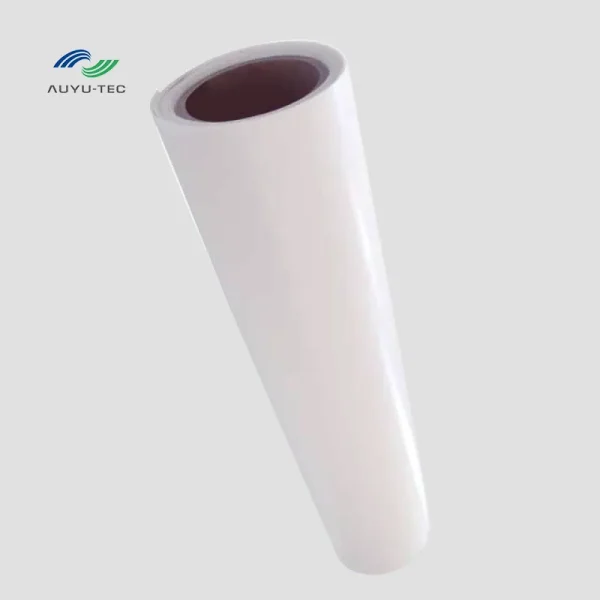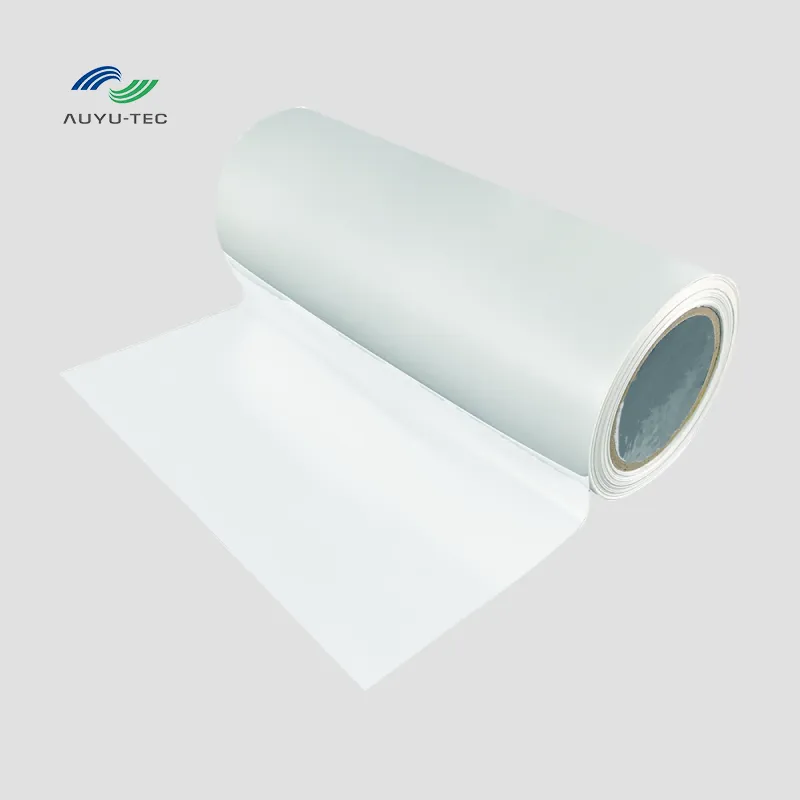

Introduction: Zhejiang Aoyu’s industrial PET film offers stable 80μm thickness and optimized chemistry for smooth coating, strong adhesion, and durable heat transfers in high-speed textile printing workflows.
In the fast-paced environment of textile printing, inefficiencies in material handling and printer compatibility often slow down production and affect output quality. The gap between ideal workflow and actual performance can create bottlenecks, especially when dealing with delicate materials like PET films designed for Direct-to-Film (DTF) applications. Zhejiang Aoyu New Material Technology Co., Ltd addresses these challenges by providing a specialized PET film that meets the exacting demands of industrial DTF processes. As a reliable pet film supplier, the company ensures that operators experience smooth coating and printing cycles, elevating the consistency and durability of heat transfers across various textile workflows.
Key Features of DTF Pet Film for Consistent Textile Printing
The industrial PET film offered by this dtf transfer film supplier stands out in delivering consistent performance critical for high-volume textile printing environments. Crafted mainly from polyethylene terephthalate with precise thickness control at 80μm, the film guarantees dimensional stability through prolonged production runs. Its carefully engineered composition, which includes polyurethane and silica additives, provides a surface that accommodates hot melt adhesive powders while preserving excellent print adhesion. This blend ensures that the final transfers maintain color vibrancy and durability after heat pressing. Additionally, the availability of both single- and double-sided matte finishes reduces surface glare and enhances coating uniformity, essential for precise ink laydown. By trusting a pet film supplier focused on these parameters, print shops can significantly reduce waste and improve the repeatability of transfers, making this PET film fitting for demanding textile, heat transfer, and packaging applications.
Storage Conditions to Preserve DTF Film Performance and Reduce Static
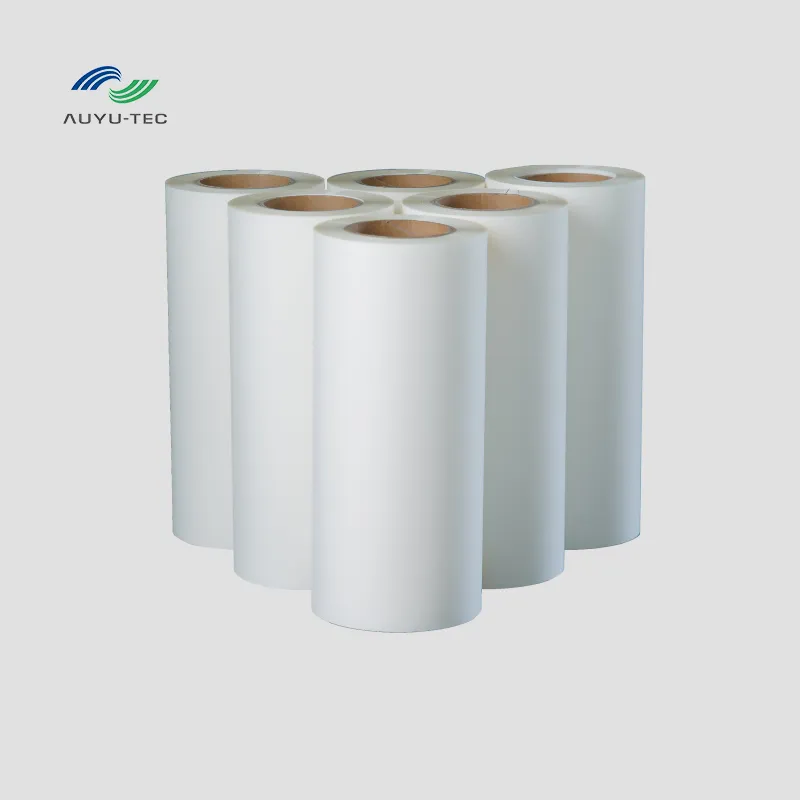
Maintaining optimal storage conditions is a key factor in preserving the performance of DTF film supplied by a seasoned pet film supplier. This PET film is recommended to be stored at temperatures ranging between 5 to 30 degrees Celsius with relative humidity levels maintained between 40% and 85%. Adhering to these conditions helps prevent static build-up, which often leads to handling problems such as dust attraction and film curling that could disrupt printing quality. The 18-month shelf life offered by this supplier ensures that the film remains flexible and dimensionally stable when stored correctly. Addressing the static issue is particularly important in industrial setups where automated machinery processes the film under high speeds. Employing proper storage protocols thus helps maintain the film’s structural integrity and seamless compatibility with coating and printing machines, guaranteeing that the flow of work remains steady and that the quality of DTF transfers is uncompromised throughout the film’s lifespan.
Compatibility of PET Film with Hot Melt Adhesive Powders in DTF Print Systems
An essential factor that sets this dtf transfer film supplier apart is the industrial PET film’s guaranteed compatibility with hot melt adhesive powders used in DTF printing. The chemical and physical properties of the film are optimized to create strong, reliable adhesion when combined with these adhesives, which is vital to the transfer’s end use on textiles. The film’s surface chemistry ensures that the adhesive powder evenly coats without clumping or repelling, promoting smooth ink transfer and reducing defects like peeling or fading after heat application. Because the PET film is designed for compatibility within automated DTF coating and printing machines, it facilitates efficient integration into existing workflows without requiring labor-intensive adjustments. This synergy between the pet film supplier’s product and adhesive materials supports high throughput production and consistent transfer quality, meeting the rigorous demands of sectors ranging from apparel to industrial labeling.
Choosing a dtf transfer film supplier who understands the nuanced requirements of industrial textile printing can reduce uncertainties and maintain a steady output of superior quality prints. Incorporating a PET film with stable dimensions, thoughtful chemical formulation, and clear storage guidelines provides comfort in reliability and adaptability during challenging workflow conditions. As textile printing technology advances, such materials will continue to offer dependable performance, supporting sustained operational effectiveness across diverse production environments. For those seeking to explore precise and well-engineered DTF film options, engaging with a reputed pet film supplier offers a subtle yet significant step toward enhanced printing outcomes.
References
- PET Film – dtf supplier hot melt adhesive manufacturers – PET film for DTF printing applications.
- Hot melt adhesive film – EVA hot melt adhesive film for various bonding needs.
- TPU Powder – TPU powder for lamination and heat transfer printing.
- COPES hot melt adhesive powder – COPES powder for adhesive applications.
- About Aoyu – Leading Hot Melt Adhesive & TPU Film Manufacturer – Company overview and product information.